| |
|
|
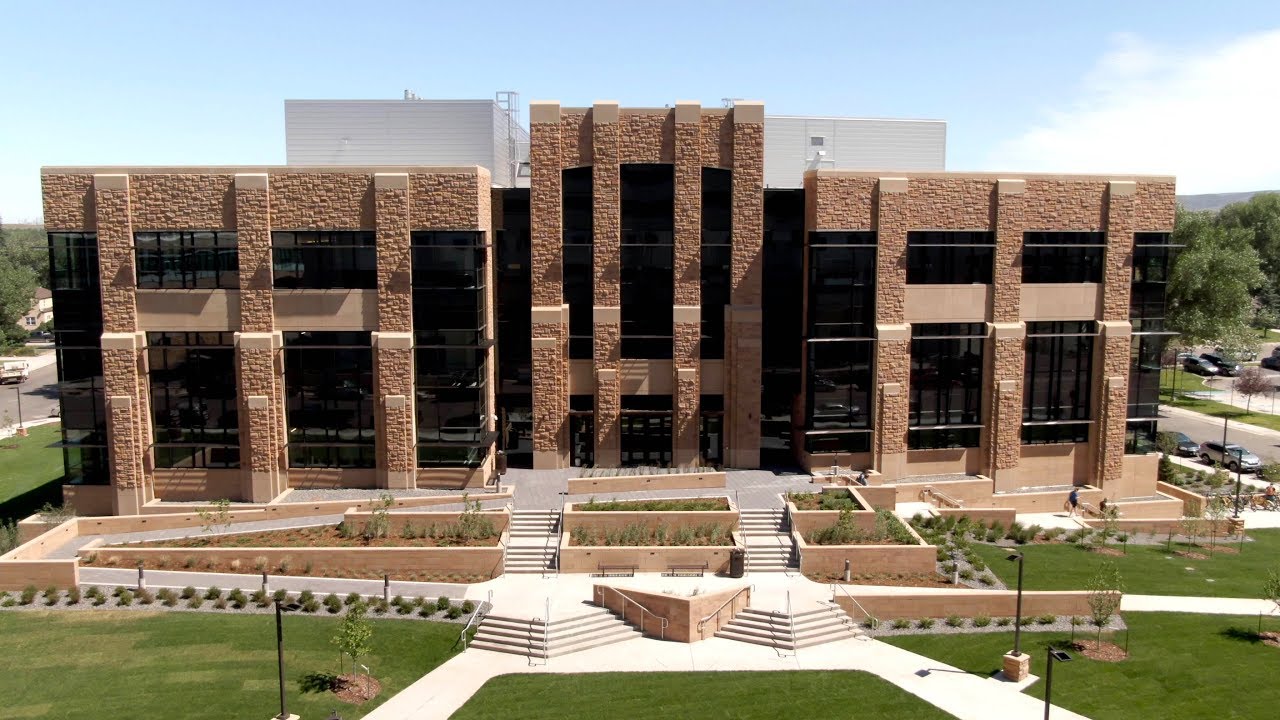
The Department of Electrical Engineering and Computer Science at the University of Wyoming is offering the EECS Colloquium series as a service to all who are interested in Electrical Engineering and Computer Science. Most seminars in Fall 2026 are scheduled for Mondays 3:10PM -- 4:00PM in EERB 255. For help finding the locations of our seminar meetings, consult the on-line UWyo campus map. For questions about this page or to schedule talks, please contact Diksha Shukla: dshukla@uwyo.edu. Here is a list of seminar schedules. |
EECS Colloquium Schedule, Fall 2026
|
|
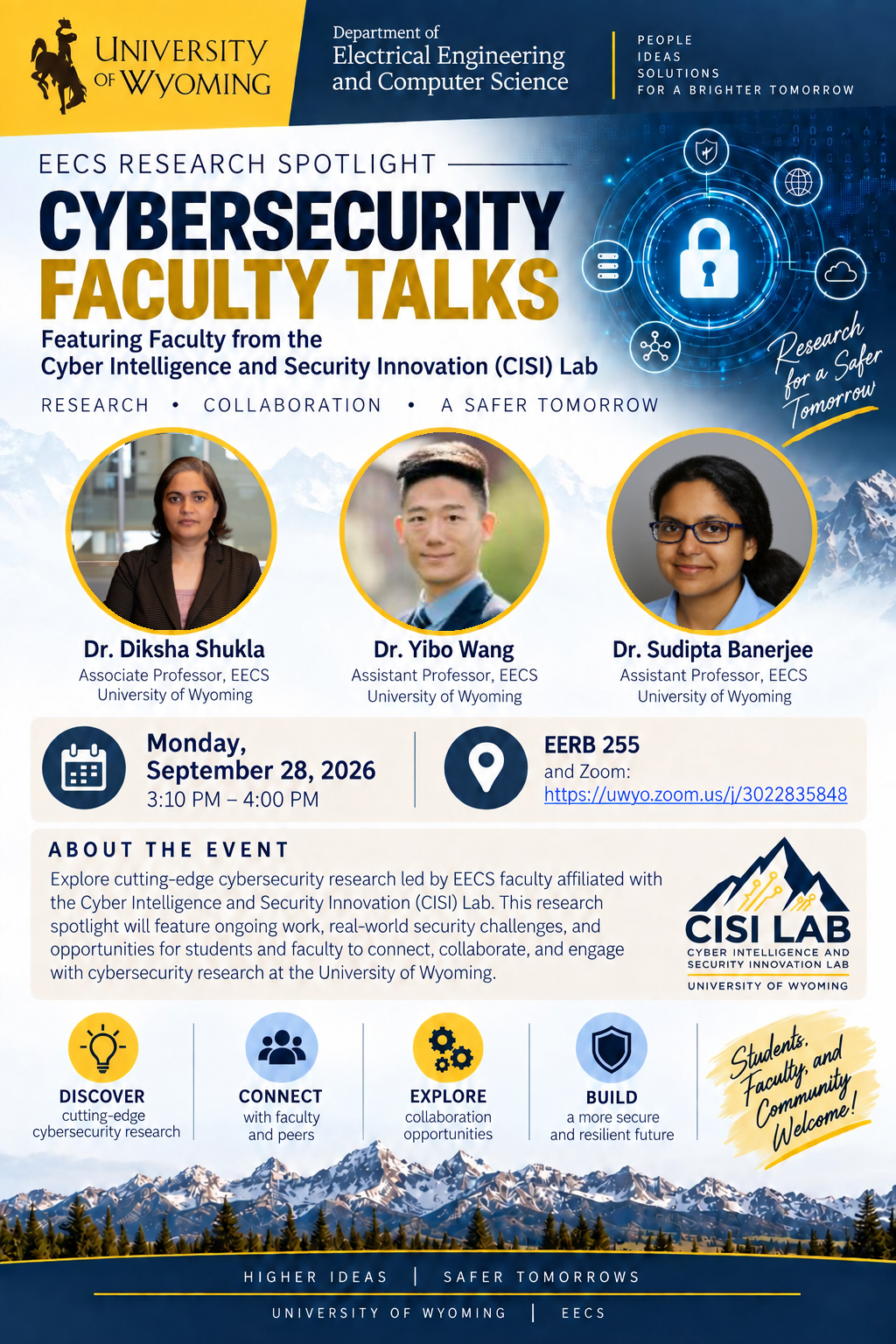
EECS Colloquium EECS Research Spotlight: Cybersecurity Faculty Talks Speakers: Dr. Diksha Shukla, Dr. Yibo Wang, and Dr. Sudipta Banerjee, EECS, University of Wyoming. When: 3:10PM ~ 4:00PM, Monday, September 28, 2026 Abstract: This EECS Research Spotlight session will feature cybersecurity research by Dr. Diksha Shukla, Dr. Yibo Wang, and Dr. Sudipta Banerjee, faculty members affiliated with the Cyber Intelligence and Security Innovation (CISI) Lab at the University of Wyoming. The speakers will highlight their current research, the real-world security challenges motivating their work, and opportunities for collaboration and student engagement. Bio: Dr. Diksha Shukla, Dr. Yibo Wang, and Dr. Sudipta Banerjee are faculty members in the Department of Electrical Engineering and Computer Science at the University of Wyoming and are affiliated with the Cyber Intelligence and Security Innovation (CISI) Lab. Their work advances cybersecurity research, education, and solutions to emerging security challenges. |
|
|
|
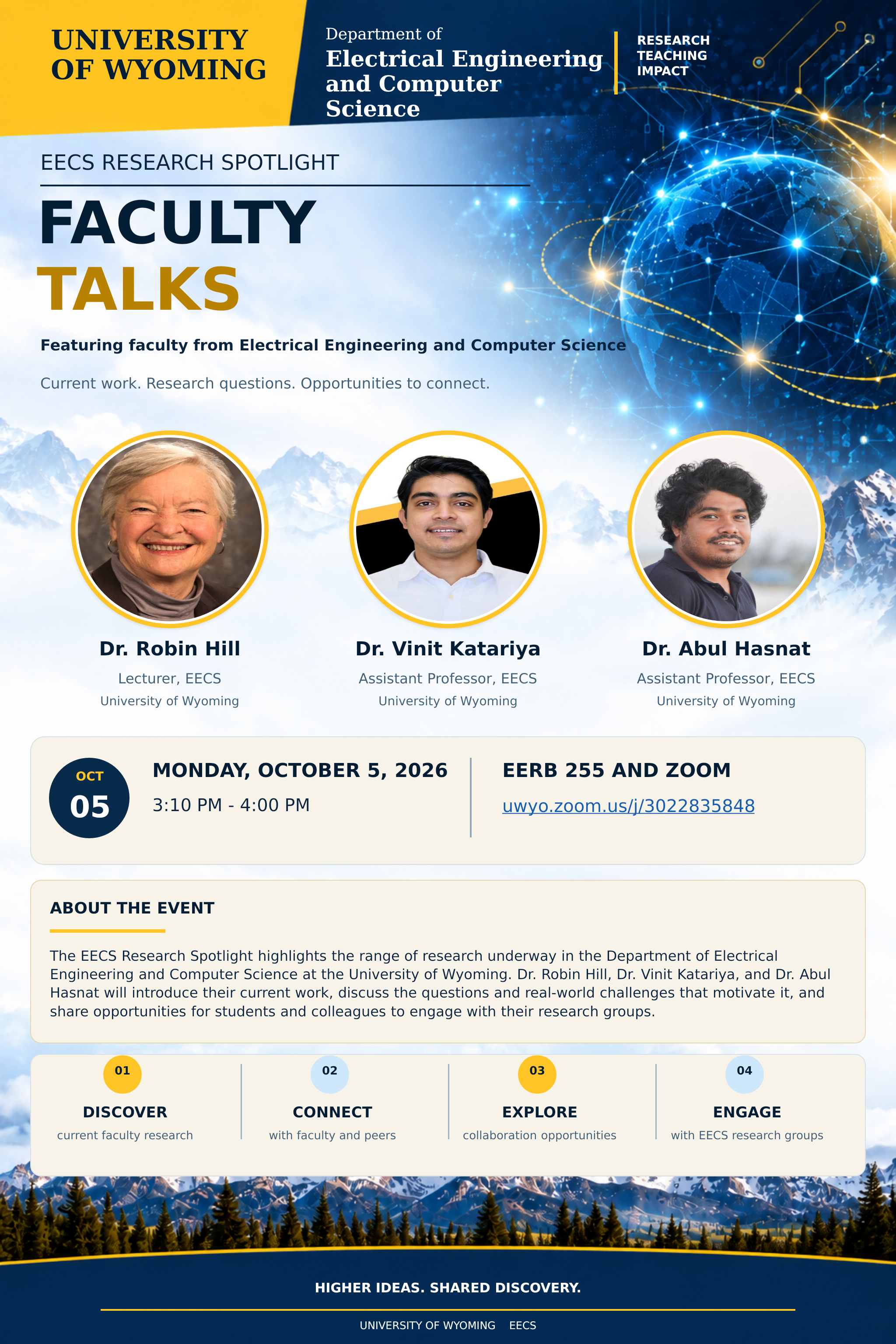
EECS Colloquium EECS Research Spotlight: Faculty Talks Speaker: Dr. Robin Hill, Dr. Vinit Katariya, and Dr. Abul Hasnat, EECS, University of Wyoming. When: 3:10PM ~ 4:00PM, Monday, October 05, 2026 Abstract: The EECS Research Spotlight: Faculty Talks offers an opportunity to explore the breadth of research taking place within the Department of Electrical Engineering and Computer Science at the University of Wyoming. In this session, Dr. Robin Hill, Dr. Vinit Katariya, and Dr. Abul Hasnat will highlight their ongoing research, the real-world challenges that motivate their work, and opportunities for collaboration and engagement with their research groups. The session aims to foster connections, spark new research interests, and strengthen the broader EECS research community. Bio: Dr. Robin Hill is a Lecturer, and Dr. Vinit Katariya and Dr. Abul Hasnat are Assistant Professors in the Department of Electrical Engineering and Computer Science at the University of Wyoming. Their teaching and scholarship reflect the interdisciplinary breadth of electrical engineering and computer science. During this faculty spotlight, they will introduce their current research and opportunities for students, faculty, and colleagues to connect with their research groups. |
|
|
|
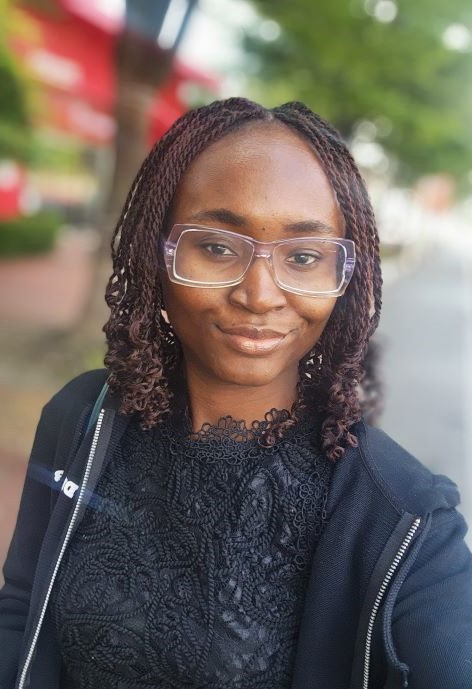
EECS Colloquium Efficient Image Restoration for Adverse Weather Speaker: Dr. Judith N. Njoku When: 3:10PM ~ 4:00PM, Monday, October 12, 2026 Abstract: Modern vision systems rely on images to observe, interpret, and reconstruct the physical world. However, adverse conditions such as rain, fog, snow, and low light can severely degrade image quality, obscuring important scene information and reducing the reliability of applications ranging from autonomous navigation and surveillance to remote sensing and three-dimensional reconstruction. Image restoration, a field of artificial intelligence concerned with recovering clean and usable images from degraded inputs, offers a promising path toward more reliable visual perception. This talk introduces image restoration as a core challenge in computer vision and traces its evolution from classical signal-processing techniques to modern deep-learning approaches. It examines why models designed for a single degradation often fall short in real-world deployment and considers what a practical, unified restoration system must learn to handle diverse and potentially unknown conditions. The talk then explores how advances in multimodal learning and efficient neural architectures are enabling multiple degradations to be addressed within a single compact model. OmniRestore, our research in universal adverse-weather image restoration, serves as a case study for illustrating how these ideas move from theory to practical model design. Bio: Dr. Judith Nkechinyere Njoku is a Postdoctoral Research Associate at the University of Wyoming, where she is affiliated with the Secure Sensing and Learning (SSL) Research Lab. Her research lies at the intersection of artificial intelligence, digital twins, and cyber-physical systems, with a focus on developing intelligent and resilient solutions for real-world environments. She combines machine learning, explainable AI, and computer vision to address challenges in autonomous systems, smart infrastructure, energy technologies, and environmental resilience. Dr. Njoku received her Ph.D. in IT Convergence Engineering and her M.Sc. in Electronics Engineering from Kumoh National Institute of Technology, South Korea. |
|
|
|
EECS Colloquium TBA Speaker: TBA. When: 3:10PM ~ 4:00PM, Monday, October 26, 2026 Abstract: TBA. Bio: TBA. |
|
|

|
EECS Colloquium TBA Speaker: Dr. Wabi Demeke When: 3:10PM ~ 4:00PM, Monday, November 02, 2026 Abstract: TBA. Bio: TBA. |
|
|
|
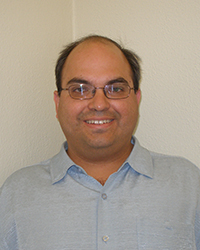
EECS Colloquium TBA Speaker: Dr. Ruben Gamboa When: 3:10PM ~ 4:00PM, Monday, November 09, 2026 Abstract: TBA. Bio: TBA. |
|
|
|
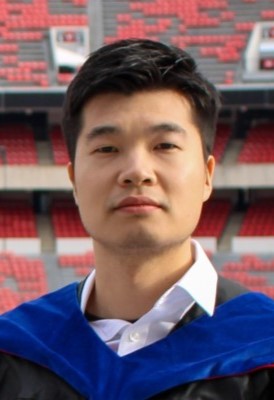
EECS Colloquium TBA Speaker: Dr. Xiao Yang When: 3:10PM ~ 4:00PM, Monday, November 16, 2026 Abstract: TBA. Bio: TBA. |
|
|
|
EECS Colloquium TBA Speaker: Dr. Judith N. Njoku When: 3:10PM ~ 4:00PM, Monday, December 07, 2026 Abstract: TBA. Bio: TBA. |